Last year I had written a post on the history of Womens cricket and the evolution it has been on. I am so glad that some of the predictions are now turning into reality and the women’s game is now truly a headliner of the sport.
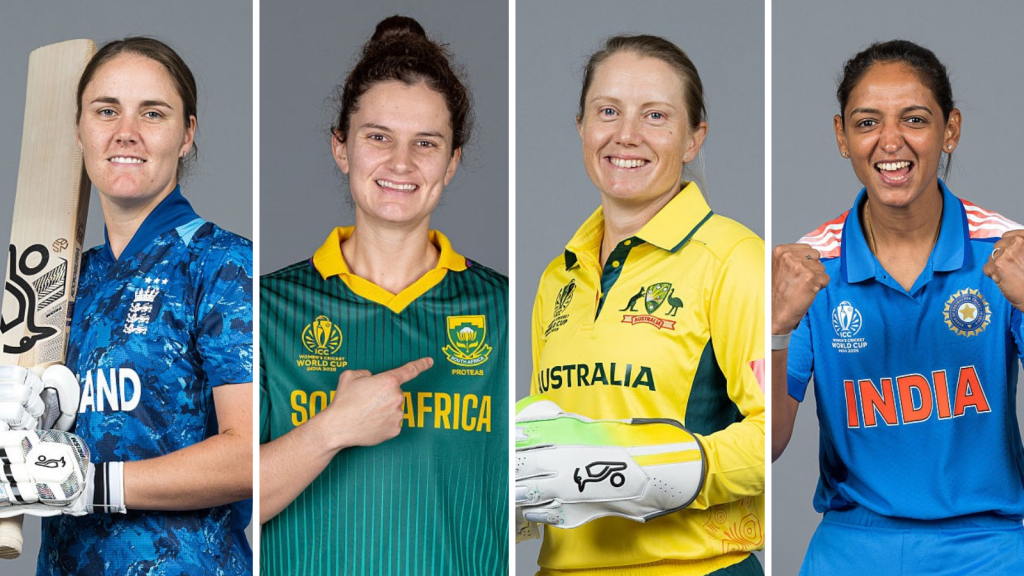
The roar of the crowd at the 2025 ICC Women’s Cricket World Cup isn’t just about boundaries and wickets — it’s the sound of change. What once existed in the shadows of the men’s game has stepped firmly into the spotlight. This World Cup isn’t just another edition of a global tournament; it’s an inflection point — a moment where mindset, money, and mastery converge to redefine what women’s cricket means to the world.
1. A Shift in Mindset: From Underdogs to Headliners
For decades, women’s cricket was politely applauded but rarely celebrated. Smaller budgets, limited airtime, and lingering stereotypes meant the game was often treated as a sideshow. But the tone of 2025 feels unmistakably different.
Players are now full-time professionals, boards are investing strategically, and broadcasters are marketing women’s matches as must-watch events. The conversations have moved from “supporting” women’s cricket to showcasing it — a subtle but powerful shift in cultural language and respect.
2. Viewership & Value: The Numbers Tell the Story
If respect is measured in attention, the numbers speak for themselves. The first 13 matches of this year’s Women’s World Cup drew over 60 million viewers, five times more than in 2022. The India-Pakistan clash alone drew 28.4 million viewers and a staggering 1.87 billion viewing minutes — the most-watched women’s international match in history.
To put that in perspective, India’s men’s Test match series against the West Indies didn’t generate as much excitement or in ground viewership as the women’s world cup fixtures at the same time. The test matches were pretty much empty with barely 20% stadiums but the Women’s game has been near full capacity stadiums every game, highlighting that the quality of the product is what matters to the consumer today.
Even the India’s women’s fixture versus New Zealand vs men’s ODI vs Australia played on the same day dominated social media trends and engagement metrics, a clear sign that audience sentiment is shifting as fast as the statistics.
Money has followed attention. The prize pool for the 2025 Women’s World Cup has surged to US $13.88 million — a nearly 300 % increase from 2022 and notably higher than the men’s 2023 tournament purse. For the first time, parity isn’t the dream as its already been surpassed.
3. Mastery on the Field: Quality Drives Belief
With visibility and investment has come performance. The cricket itself is sharper, faster, and more fearless. Fielding standards rival men’s teams, power hitting is redefining what’s possible, and captains are displaying tactical sophistication under pressure. The India vs New Zealand match — a high-scoring thriller that kept fans glued to their screens — was proof that this generation isn’t here to prove a point; they’re here to win.
4. Beyond 2025: A Blueprint for the Future
What’s happening now will echo for decades. Girls growing up today can see pathways to professional cricket, not just dreams. Sponsors and broadcasters are finally treating women’s matches as prime-time content. The ripple effect extends far beyond the field — into schools, communities, and boardrooms.
Yes, challenges remain: unequal domestic structures, pay gaps, and cultural inertia. But 2025 has shown what happens when belief meets investment. This World Cup isn’t just a sporting event; it’s a declaration — that women’s cricket is not emerging, it has arrived.
 Cricket Blog for All
Leave a comment